

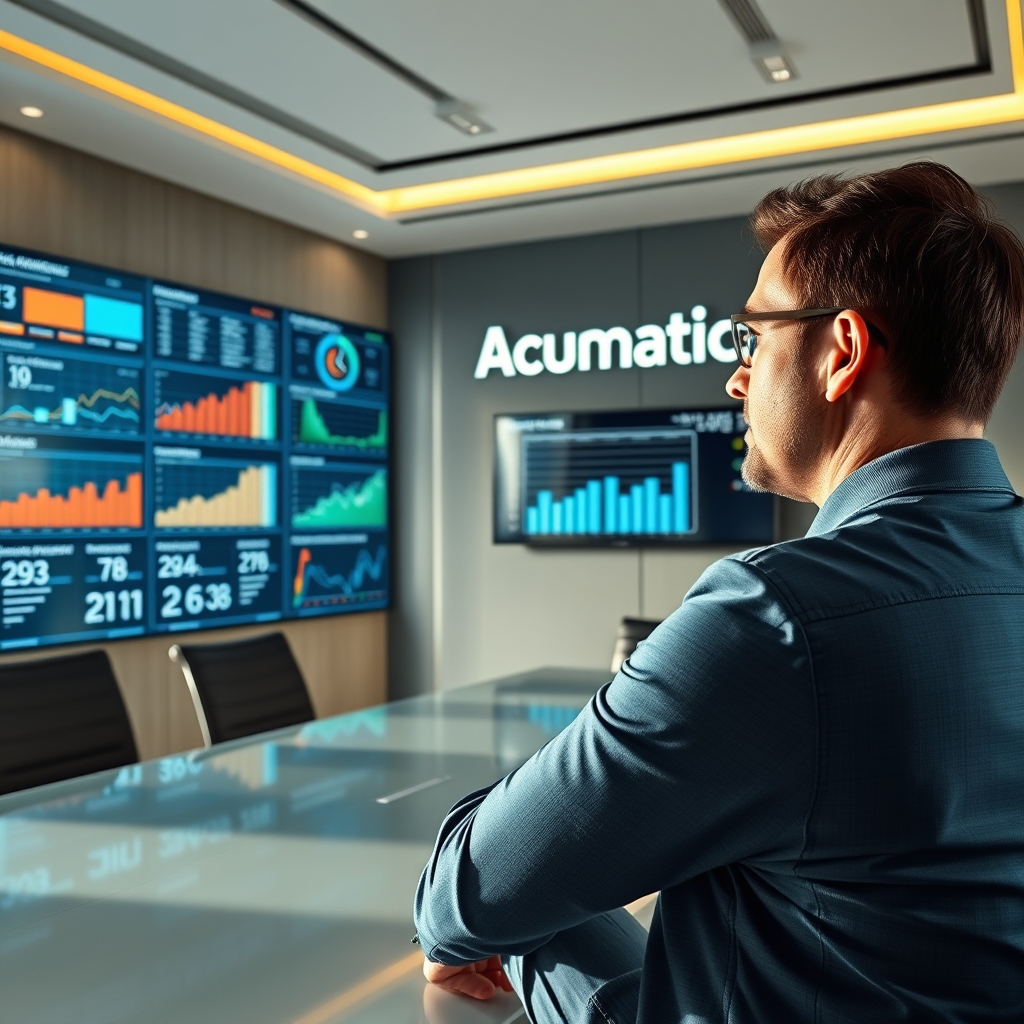
Risk rarely waits for the calendar to turn. While accelerated reporting cycles remain a primary goal for many corporate finance departments, banking a faster month-end close captures only half of the potential value offered by modern software platforms.
According to industry experts such as Acumatica’s Jordan Weitzen, the true return on investment delivered by artificial intelligence-powered enterprise resource planning systems stems from earlier visibility. Rather than waiting until a reporting period concludes to analyze performance and exposure, organizations can leverage real-time data integration to monitor and mitigate risk while there is still adequate time to alter the trajectory of a business outcome.
Shifting from Retrospective Reporting to Proactive Strategy
Traditional financial management often traps accounting teams in a reactive cycle. Month-end processes consume substantial resources just to reconcile ledgers and verify historical data. By introducing artificial intelligence and machine learning layers into core ERP architectures, companies can automate routine data collection and anomaly detection continuously.
This continuous oversight transforms financial professionals from historians into strategic advisors. When anomalies or operational risks surface immediately, leadership teams can intervene operationally rather than merely reporting on past failures after the fact.
The Impact on Business Decision-Making
- Continuous monitoring identifies financial variances and operational risks as they occur.
- Automated workflows reduce the administrative burden of manual reconciliations during closing periods.
- Early insights enable executives to pivot operational strategies and protect profitability before margins erode.
Ultimately, the transition toward intelligent enterprise resource planning represents a fundamental evolution in corporate governance. Organizations that harness continuous data visibility are better positioned to navigate market volatility and secure lasting competitive advantages.