

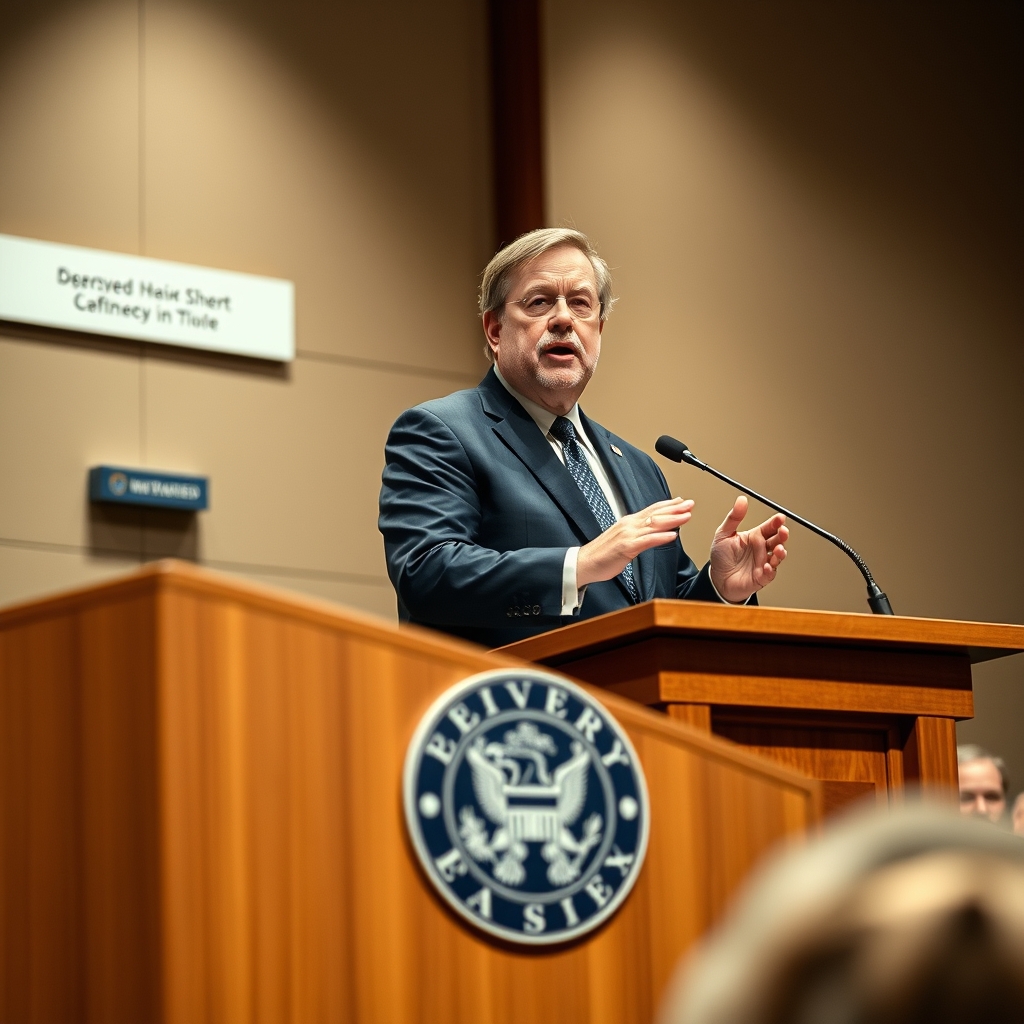
Artificial intelligence could significantly enhance business productivity and drive down consumer prices, but it also carries the risk of leaving workers with a smaller proportion of the overall economic gains, Federal Reserve Gov. Michael Barr cautioned during an address at Yale University.
Barr emphasized that the long-term macroeconomic impacts of artificial intelligence will hinge largely on whether the technology ultimately acts to complement the existing workforce or replace human labor entirely. Furthermore, the economic outcome will depend heavily on the breadth of adoption across different business sectors.
The central bank official’s remarks highlight the complex trade-offs policymakers face as automation and advanced algorithms rapidly integrate into commercial operations. While disinflationary pressures could benefit consumers through reduced costs, the potential for increased market concentration and labor displacement remains a pressing concern for regulatory oversight.