

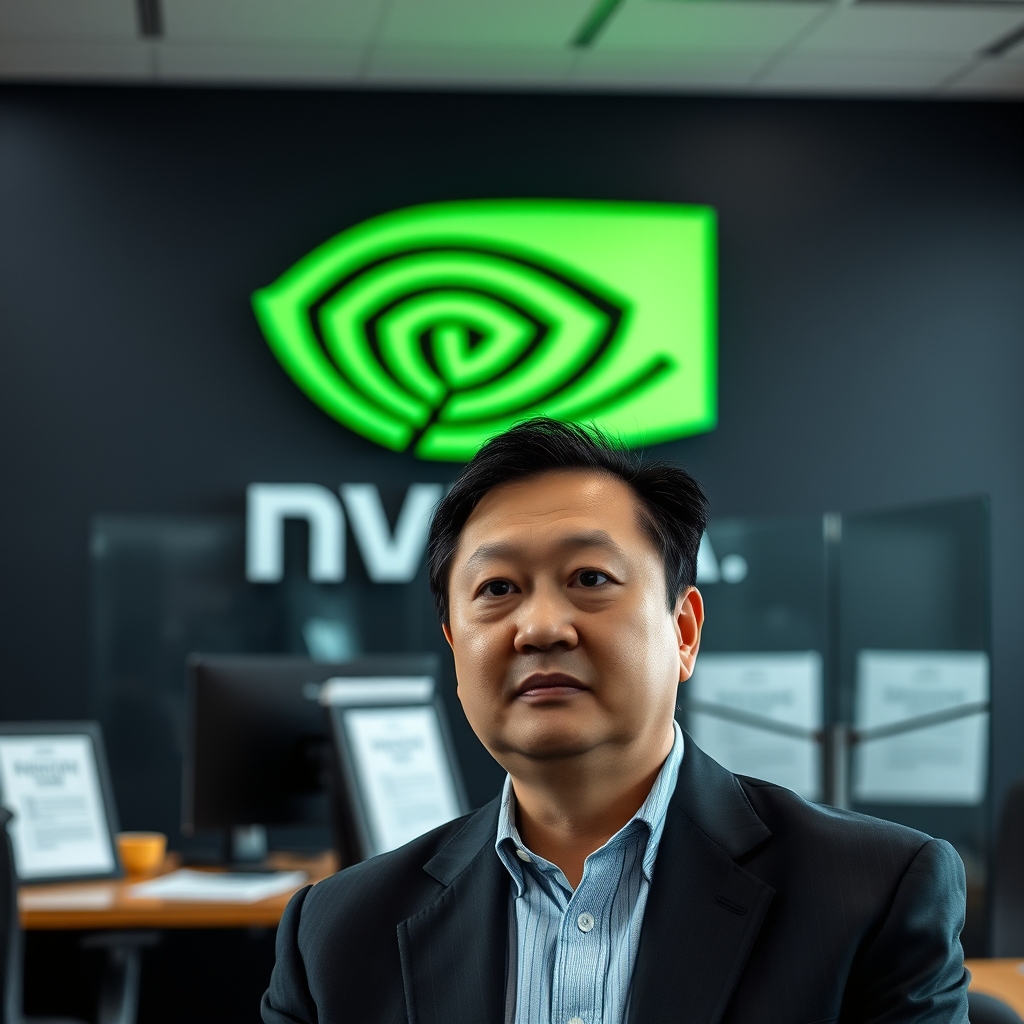
The debate over how organizations should hold leaders accountable has resurfaced around Nvidia and CEO Jensen Huang, alongside the return of a scandal-ridden executive. The episode, described in coverage of modern human resources, raises a familiar but difficult question: what happens when the actions or reputation of a senior leader appear to conflict with the standards employees are expected to follow?
The available account offers little detail about the executive, the circumstances of the return or the precise connection between that decision and Nvidia or Huang. It does, however, frame the issue as a challenge to conventional expectations about organizational conduct. That distinction matters: without specifics, the story cannot establish who made a decision, what process was used or whether the circumstances resemble those at Nvidia. Its broader focus is the tension between stated workplace principles and the behavior organizations tolerate at the top.
The gap between policy and leadership
Human resources teams commonly help employers set and administer expectations around workplace behavior. Policies can describe standards, outline reporting channels and establish procedures for addressing concerns. But having rules on paper does not, by itself, ensure that those rules are applied consistently. Employees may judge an organization not only by its formal policies but also by how leaders are treated when their conduct draws scrutiny.
That is the significance of a controversial executive’s return in the account. A leader’s reinstatement or renewed presence can be read as a signal about what an organization considers forgivable, acceptable or compatible with its culture. The meaning depends on facts not supplied here, including the nature of the controversy and the organization’s explanation. Still, the contrast between broad workplace standards and decisions involving senior figures is a recurring test of credibility for employers.
For HR practitioners, that test is not simply a matter of writing clearer rules. It also concerns the authority and independence to apply established processes when a powerful person is involved. Consistent treatment can support trust; apparent exceptions can prompt employees to question whether policies are universal or contingent on status. Those perceptions can affect confidence in internal processes even when an organization believes a decision was justified.
Why the comparison with Nvidia draws attention
Nvidia and Huang appear in the source headline as part of a wider critique of modern HR, but the supplied account does not describe a specific Nvidia policy change or a particular action by Huang. The comparison should therefore be understood as part of the article’s framing, rather than evidence that Nvidia made the executive-return decision. Huang’s prominence makes the contrast between leadership culture and HR conventions notable, while the available details do not support attributing a specific position or quotation to him.
That restraint is important in a discussion where strong conclusions can outrun the facts. A company’s culture is shaped by leadership choices as well as its formal processes, but a headline or brief summary alone cannot explain how those choices were made. For business readers, the useful question is not whether one public figure has settled the debate over HR. It is how organizations reconcile expectations for employees with the discretion and influence attached to senior roles.
What employers should take from the debate
For businesses, the episode is a reminder to make decision-making around conduct understandable and to communicate the principles behind consequential personnel choices. That does not mean every case should produce the same outcome: circumstances can differ, and fair processes may account for those differences. But employers invite skepticism when standards are presented as universal while decisions affecting prominent leaders appear unexplained or inconsistent.
The broader discussion is unlikely to be resolved by slogans about culture or by HR procedures alone. It turns on whether organizations can demonstrate that their stated expectations carry weight across levels of authority. The reported contrast involving Nvidia, Huang and a controversial executive’s return brings that question into focus, but the limited details available leave the specific decision—and its implications—unclear. The lasting issue is the credibility organizations earn when leadership conduct is measured against the rules they ask everyone else to follow.