

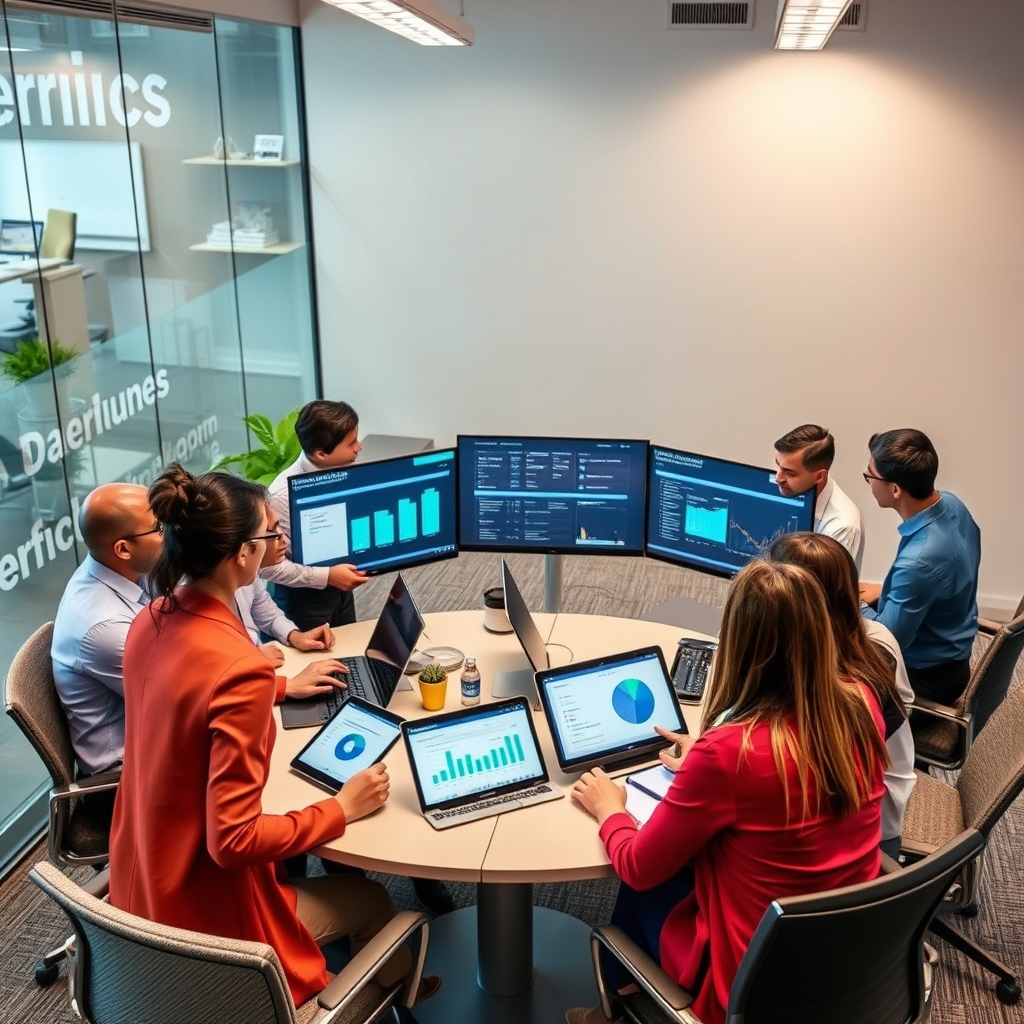
Enterprise leaders are confronting a fundamental operational shift as artificial intelligence alters how critical workforce groups function. According to insights shared at a major human resources symposium in London, too few organizations are consciously redesigning the structure of their core teams to capture long-term value from emerging technologies. Analysts emphasize that adapting traditional talent pipelines is no longer optional as businesses integrate automated tools into everyday workflows.
Transforming Agile Teams into Smaller Units
Workforce structures typically fall into two distinct categories when evaluated through the lens of artificial intelligence. The first category comprises agile groups, which handle dynamic, highly collaborative, and creative tasks such as software engineering, product development, and research initiatives. While automation accelerates task completion within these units, it frequently introduces unintended friction, decision fatigue, and overwhelming amounts of verification work.
To combat these bottlenecks, forward-thinking enterprises are breaking down traditional structures into hyper-focused working groups. Commercial real estate firm CBRE successfully implemented this approach by reducing software development team sizes to ease collaboration bottlenecks, achieving significant improvements in delivery speed. Organizations adopting this model are moving away from large staffing structures, planning instead for a higher proliferation of compact, highly autonomous groups.
Evolving Roles for People Managers
As team structures shrink and job roles compress, the responsibilities of people managers must evolve significantly. Managers can no longer rely solely on direct coaching, as team members increasingly navigate emerging and unfamiliar technical domains. Instead, leadership must pivot toward three distinct functions:
- Acting as connectors who link employees with cross-functional resources and internal experts.
- Cultivating high levels of employee agency to ensure team members independently drive initiatives forward.
- Championing continuous learning cultures that prioritize ongoing skill acquisition over static expertise.
Restructuring Optimized and Support Functions
Optimized teams focused on standardized, high-volume duties such as customer support, shared services, and fulfillment are experiencing an equally profound transformation. Autonomous agents now handle the most predictable elements of these workflows, leaving human workers to manage high-risk, complex exceptions. This division has spurred the creation of specialized resolution units designed to handle difficult recovery tasks that require deep contextual awareness.
This reliance on automation for routine tasks creates a distinct challenge for junior talent development, as entry-level workers no longer process basic procedures to build foundational expertise. To maintain healthy career progression pipelines, progressive enterprises are deploying simulated environments, mentorship programs, and cybernetic knowledge management partners to bridge the experience gap and prepare employees for advanced problem-solving roles.