






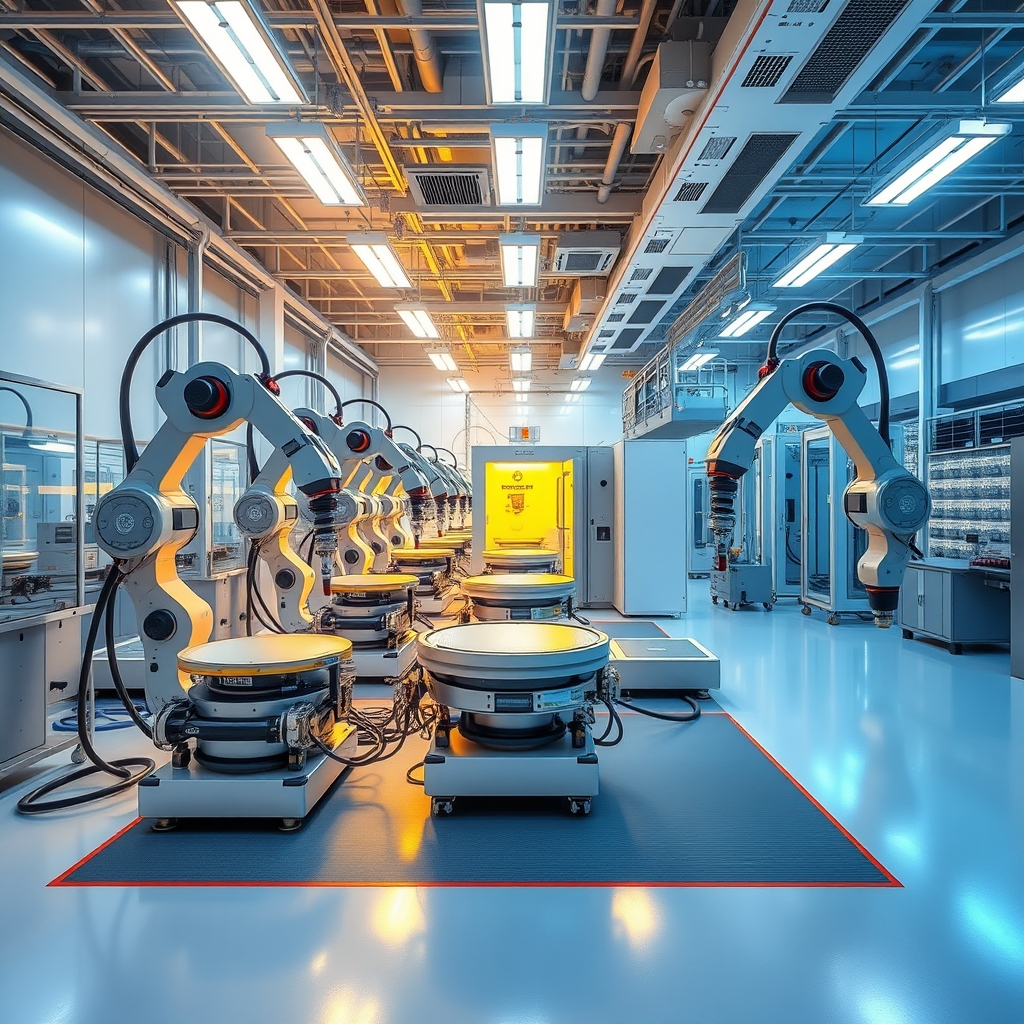
Singapore-based enterprise Nexstrom has successfully closed a new funding round dedicated to advancing semiconductor manufacturing equipment. According to TechCrunch Startups, the early-stage venture is aiming to commercialize specialized systems designed to help chip fabrication plants produce two-dimensional semiconductor materials at an industrial scale. Tackling the 2D Semiconductor Production Challenge As the semiconductor industry continuously searches […]
Singapore-based enterprise Nexstrom has successfully closed a new funding round dedicated to advancing semiconductor manufacturing equipment. According to TechCrunch Startups, the early-stage venture is aiming to commercialize specialized systems designed to help chip fabrication plants produce two-dimensional semiconductor materials at an industrial scale.
Tackling the 2D Semiconductor Production Challenge
As the semiconductor industry continuously searches for alternatives to silicon to sustain Moore’s Law and power increasingly advanced electronics, two-dimensional materials have emerged as a promising frontier. However, a major hurdle for chipmakers has been the lack of reliable production equipment capable of fabricating these atomically thin materials consistently and economically.
Nexstrom’s newly secured capital will be directly channeled into developing the hardware and infrastructure necessary to bridge this manufacturing gap. By focusing on equipment tailored specifically for fab environments, the company hopes to integrate 2D material production into existing semiconductor workflows.
Implications for the Silicon Valley and Global Chip Fabs
The ability to manufacture 2D semiconductors at scale could transform the production of advanced microprocessors, sensors, and memory devices. While traditional silicon fabrication is reaching physical limitations at smaller nodes, 2D alternatives offer superior electrical and thermal characteristics.
Nexstrom’s developments will be closely watched by industry stakeholders and foundry operators looking to upgrade their production lines. With fresh financial backing, the Singapore startup is positioned to advance its equipment prototypes and demonstrate scalability for prospective manufacturing partners.
- Nexstrom secured fresh capital to develop 2D semiconductor production equipment.
- The hardware is engineered to assist chip fabrication plants in manufacturing at scale.
- The Singapore-based enterprise targets the transition from silicon-dependent limitations to advanced 2D materials.
Source: TechCrunch Startups